
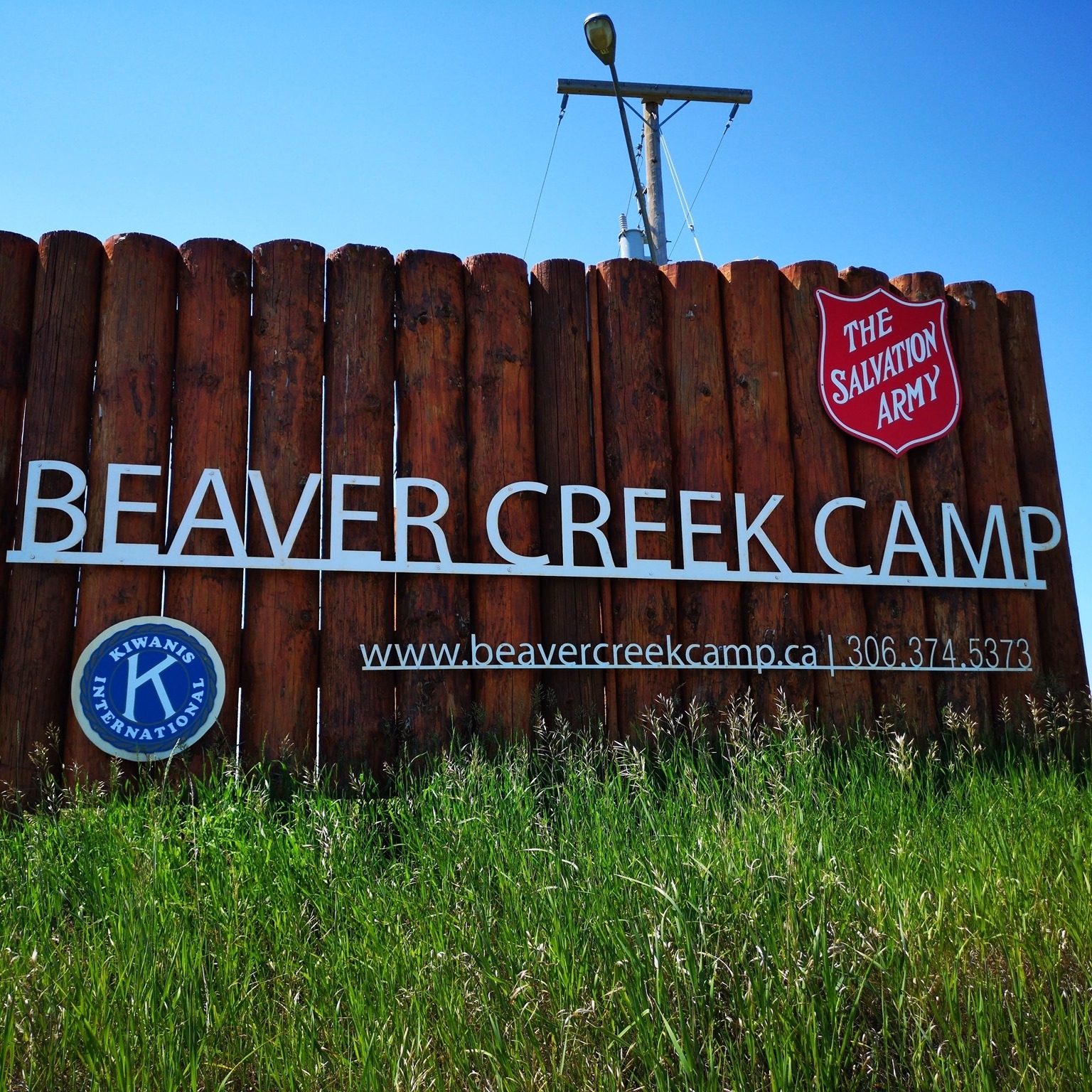
From Forest Paths to Future Paths
Summer camp is a time for fun: for exploring, playing, learning and growing. For many children it’s often an opportunity to be their own person outside of their homes or their first time away from home. For city kids, it may be a rare opportunity to try outdoor activities and spend time in nature. It’s a magical moment in childhood, where lifelong friendships are built, skills are honed, and time seems to stand still.
The Salvation Army began hosting countryside picnics for urban under-privileged children in England in 1898. The picnics grew into week-long camps to build up the children with good food and lots of fresh air. In Canada, the Army’s first ‘fresh air’ camp for less fortunate children was held in Winnipeg in 1900. Today, more than 5,100 children attend Salvation Army week-long and day camps each summer.
 Beaver Creek Camp, located just outside Saskatoon, Saskatchewan serves the entire Prairie Division. They host six week-long camps in the summer including music, adventure, teen, and family camps. Almost 600 kids attend camp at this idyllic prairie oasis each year. Activities include Nature walks, swimming, fires, games, crafts, singing, bible study and group team building to name a few. The camp is subsidized by grants and donations to make it accessible and affordable.
“When you support camps like Beaver Creek, you’re not only investing in the future and well-being of the campers, but also of the staff” says Jessica MacKenzie, a former camper turned staff. “I’ve seen so many camp staff who have gained skills and knowledge, and who have matured and become their own people while working at camp.”
Jessica started as a camper at Beaver Creek when she was seven or eight. Her family moved a lot but returning to Beaver Creek Camp each summer was something she always looked forward to. She says it was like a second home where she could count on reconnecting with friends and leaders year after year. “As a kid, I was very, VERY shy… but camp was always a place for me to try to open up a little bit and enjoy myself. I LOVED campfires. That was my favourite part of camp, by far” she says.
 Camp was also a place where Jessica was able to connect with her faith in new ways. “I remember the year that I got to try Lectio Divina for the first time, instead of having to Bible with all the extroverts, which often overwhelmed me as a kid. I loved being able to read Scripture in a new way and learn how to listen to God’s voice in a different way as well” she explains.
Jessica started working at Beaver Creek Camp in the summer of 2017. “My sister and I both decided to apply to work at camp as kitchen staff for the summer. We were both hired for the summer, but there were some last-minute changes in the staffing, and I ended up working as an assistant lifeguard for the summer instead. After that experience of working at camp, I came to love it even more than I did before.”
“Working at camp was really good for me” Jessica says. “It gave me the space and opportunity to become less shy and more confident—more confident in my skill and abilities, and more confident as a person, in general.” After working as assistant lifeguard, Jessica was inspired to complete her lifeguard training and returned to Beaver Creek as the head lifeguard for two more summers, eventually taking on the role of Bible Director as well.
“Camp was a place where I could come out of my parents’ shadows, and really become my own person; I started learning what it means to lead well, in a place where I had all the support and encouragement I could possibly need. I think my experiences working at camp served as a starting point for what I am working towards now, which is officership” Jessica states.
 Camp Director Captain Norm Porter shares Jessica’s sentiments on the feeling that Beaver Creek Camp exudes: “BCC is a sacred place! It is rustic, peaceful, filled with great people and feels like home.” Captain Porter has been involved with Beaver Creek Camp since becoming the Divisional Youth Secretary in 2019. Growing up, he attended Salvation Army music camp in Ontario and worked at Twin Ponds camp in Newfoundland. “Camp in my own life was a place of encouragement that helped make me the leader I am today. It gave me confidence and was the support system when my dad passed away at 16 years old. Camp impacted me as a kid, as a camp staff and now as the camp director for the better” he states.
Both Jessica and Norm say that one of the most important aspects of Beaver Creek Camp is that it is a safe space for children from all walks of life. “There are so many young children who grow up in broken homes. They don’t have a safe place to just be a kid. They don’t know what it’s like to be genuinely loved and cared for. But that’s what happens at camps like Beaver Creek; we go to great lengths not only to show the campers that they are loved, seen, known, and valued” explains Jessica.
“Many of the children who have come to camp have called it home, we can only create a space like that when we have the funds to keep the site safe and invest in staffing that will continue to provide a safe and caring environment” adds Captain Porter. “We are committed to using the funds to make a greater impact on the children who come to BCC. Funds also help us to enhance the program, serve healthy foods and continue to upgrade the facility” he says.
 Beaver Creek Camp is funded by Red Shield dollars, Divisional grants and kind donors and organizations who desire to make a difference in the lives of children. To learn more about Beaver Creek Camp visit their social media feeds @beavercreekcamp or website beavercreekcamp.ca. Registrations are still being accepted. If you would like to register a child for camp reach out to your local salvation army church. If you are moved to donate, please call 204-975-1033.
Camps – The Salvation Army in Canada
Salvation Army camping programs aim to meet health, spiritual, educational, social and recreational needs through a creative, safe and fun experience. While children are surrounded by the wonders of nature they develop socially, learn new skills such as canoeing and rock climbing, and increase their competence in swimming, crafts and music (to name a few).
Some kids arrive at camp afraid. Others arrive with poor social skills. Some have few clothes to bring up, while some are loaded down with worries about problems at home. At camp they accomplish things they never thought were possible.
