
Ninety Years After: Remembering the Moose River Mining Disaster
Three men. Ten days underground. A rescue mission that was the first of its kind. The world was listening, and The Salvation Army was there.
On Easter Sunday 1936, in the small and remote village of Moose River, Nova Scotia, a simple inspection of a gold mine resulted in its new owners, Dr. David E. Robertson, Chief of Staff at Toronto’s Hospital for Sick Children, Herman Magill, a Toronto lawyer living in Moose River, and office employee Alfred Scadding, being trapped 141 feet underground when the 30-year-old shaft timbers collapsed around them. Days later when smoke emerged from the rubble indicating life, rescue efforts began.
The story of the disaster and rescue is one of celebration and controversy, and it made Canadian history because of a live radio broadcast by CRBC’s J. Frank Willis. For 69 straight hours, Willis used the only phone line in Moose River to deliver two-minute updates on the rescue effort every half hour. This made it North America’s first live 24-hour news event, broadcasting from 4 p.m. Monday afternoon to Thursday at 2:30 p.m., the day after the men were finally brought back to the surface.

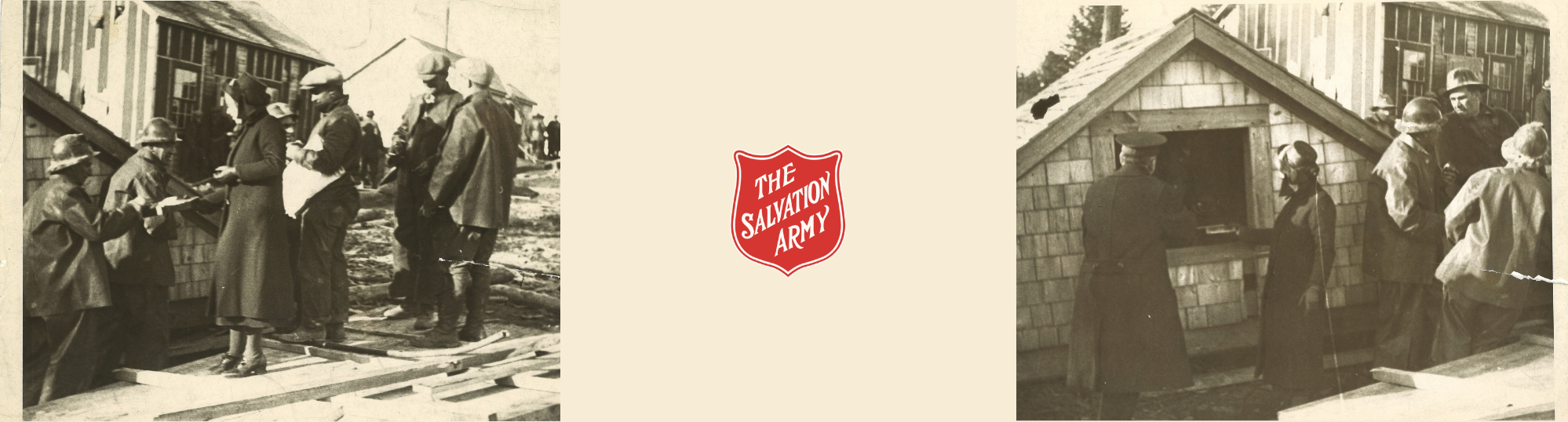
As news of the disaster quickly spread throughout Nova Scotia, Major T. and Mrs. Mundy, Divisional Commanders of The Salvation Army stationed in Halifax, felt compelled to help. Even without an invitation to do so, the couple and others headed out and drove as close to Moose River as they could. The roads were in bad shape, and after their vehicle had two flat tires, they were forced to stop and walk the rest of the way carrying all of their supplies. The Mundys were determined to get to the disaster site to bring encouragement and help meet the physical and spiritual needs of the large crowd who had gathered.
Willis described the scene as exhausting. Many people were barely keeping body and soul together throughout the emotionally charged ordeal. He himself had no food or water, and while broadcasting live every half hour could not leave his post for a meal at the nearby Crossroads motel. During a television broadcast in 1956, he recounts that things changed midweek, “…on Wednesday, when down over the hill, carrying their pots and kettles, their doughnuts and their sandwiches, came our very good friends, The Salvation Army, led by Captain and Mrs. Mundy”. Willis recalls that they served him what he called the finest cup of coffee that he ever had in his life.
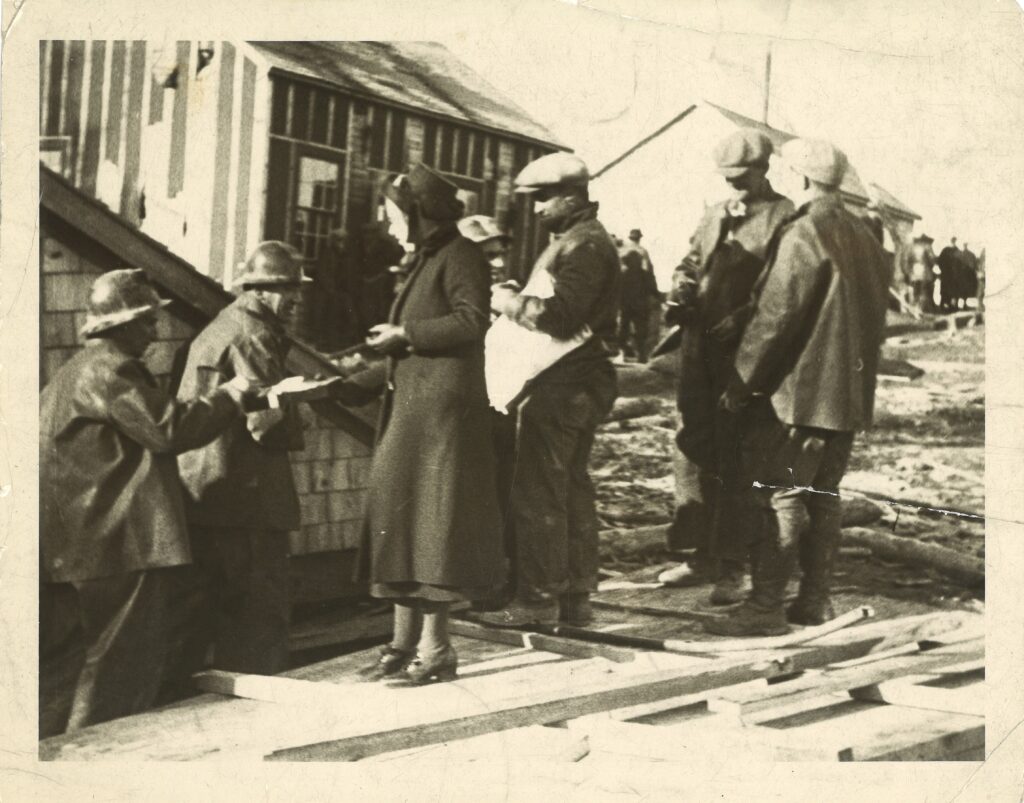
The Salvation Army, or “Army of The Helping Hand” as it was known, was vigilant in offering comfort and practical aid to the dozens of people—workers, family members and media—that were present at the remote site. The work was hard; emotions were running high and the concern of rising water levels in the mine meant they were racing against time to get the men out. At the moment of rescue on April 22, 1936, when the first face appeared, in true Salvation Army fashion Major Mundy immediately started playing his concertina and led the crowd in singing the doxology, “Praise God from Whom All Blessings Flow”. For two of the three men, there was indeed a reason for praise. Herman Magill unfortunately died below ground, two days before the rescue was completed.
This week, along with The Salvation Army’s Emergency Disaster Services (EDS) team, we mark the 90th anniversary of the Moose River Mining Disaster and celebrate the determination of the human spirit. This time of crisis and piece of history is one of the early events that marked the beginnings of EDS in Canada. Ninety years after, The Salvation Army continues to offer that helping hand.
Join us on Saturday, April 25 at 2 p.m. to commemorate the 90th anniversary of the disaster. Our EDS staff and truck will be on site at the Moose River Gold Mine Museum (6752 Moose River Rd., Musquodoboit Valley) to honour and remember all those involved.
Click here for more information.
By Wendy Woodland
Photos courtesy of The Salvation Army Archives.
Tags:
Share:


