
School Lunch Bag Program Keeps Students Well Fed
For many parents, back-to-school season can get quite expensive. From new clothes to stationery, the costs add up. On top of that, they have to think about their children’s daily lunches.
As food insecurity continues to be an issue across the country, The Salvation Army in Maple Ridge, B.C., works hard to ensure students in need have something to eat at school.
A Decade of Support
The Army’s School Lunch Bag program has been running for more than 10 years. Today, it partners with School District 42, providing an average of 190 lunches a day, three days a week, to students from kindergarten to grade seven in Maple Ridge and Pitt Meadows.
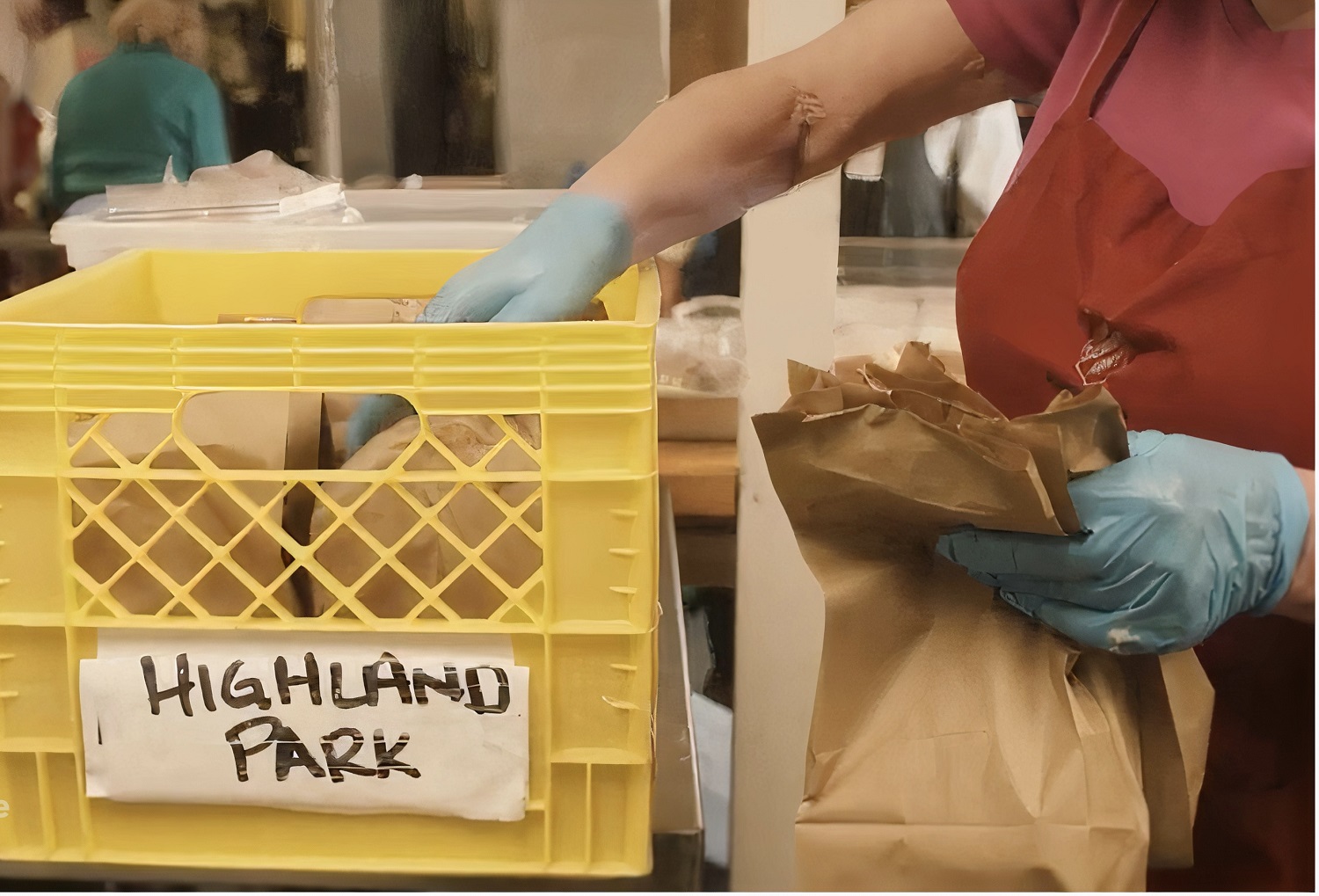
“We serve approximately 21 schools, but each year the number can change,” says Vino Muthukkaruppan, food services coordinator at The Salvation Army in Maple Ridge. “We make the lunches in-house. We’ll buy the products, slice meat and prepare sandwiches. Volunteers help us assemble the bags and deliver them.”
Each lunch bag includes a sandwich, fruit and a healthy snack. The bags are labelled and delivered to schools ahead of lunchtime.
Protecting Dignity
The dignity of students is a priority. School staff identify the children who could benefit from the program and discreetly provide the number of lunches needed to The Salvation Army.
“Nobody actually knows who is receiving lunches other than the school admins. The students can go pick them up at the office. It is anonymous,” explains Amelia Norrie, fundraising coordinator.
Running this program takes a team effort. At least 15 volunteers per week are required to help prepare the food and deliver it on time. It is a community effort to make this happen.
“We have some local companies who send out staff to help us deliver, along with individual volunteers,” says Volunteer Coordinator, Samantha Mann. “We have around 10 volunteers who help us throughout the school year, but we are always in need of more, in case we have absences.”
Rising Costs and Growing Demand
Due to inflation and the high cost of living, the program has seen higher demand each year. This, of course, increases the cost of running it. Ten years ago, the cost of operation was around $20,000; today it is more than $62,000.
“We need people to donate. We have amazing support from the school district and the Rotary Club of Haney, but that is still a pretty big deficit,” Amelia adds.
Despite the challenges, The Salvation Army has never turned a student away.
“We are never going to stop running the program until the need is met,” Vino shares.
“We will never say no, that is our motto. We are always going to find a way to feed the kids,” Amelia says.
By Juan Romero
