
Cultivating Healing and Fresh Food at the Garden of Hope
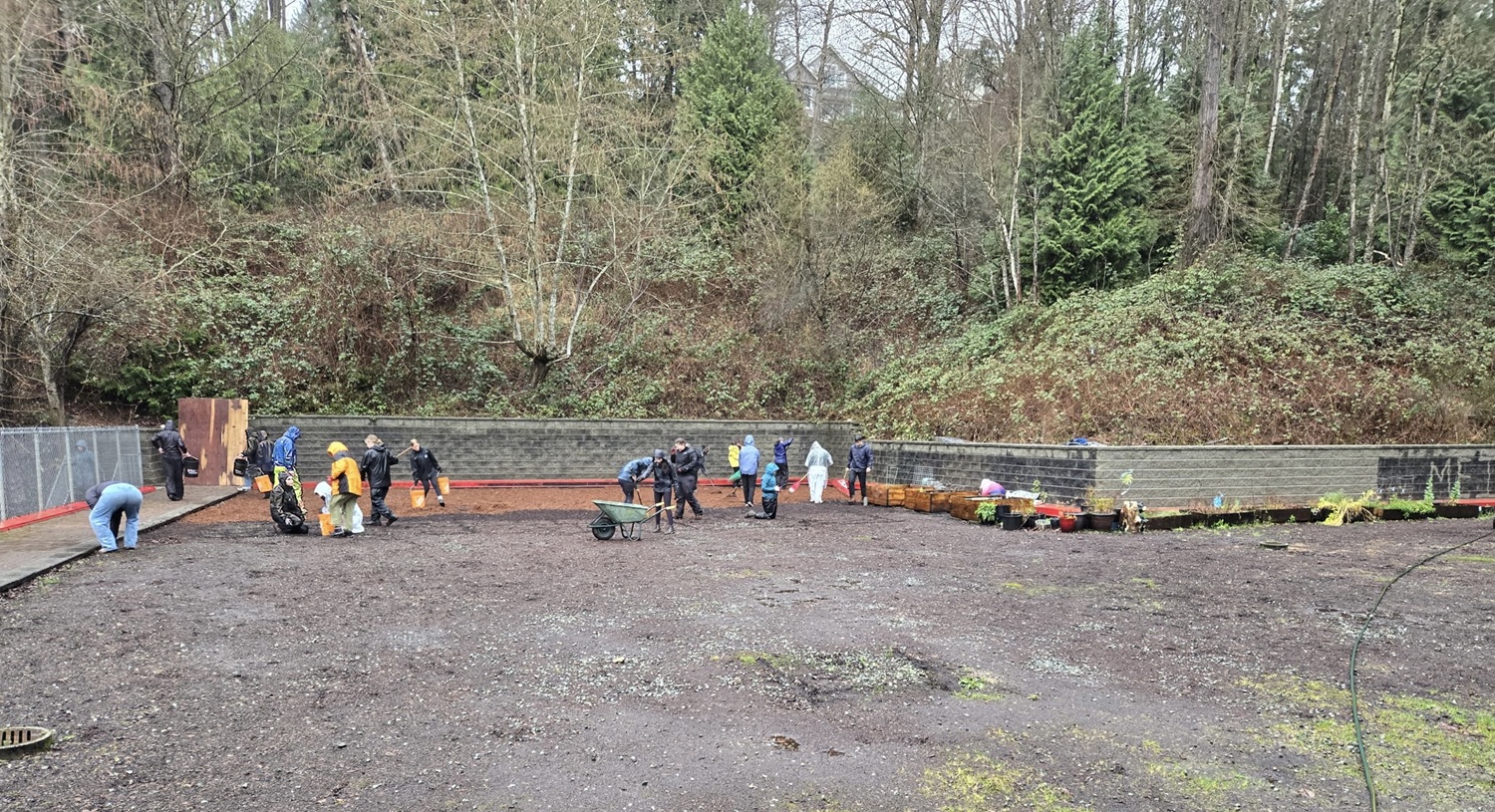
At The Salvation Army’s Centre of Hope in Abbotsford, B.C., a patio that had been forgotten for years is being transformed into a space that will nurture the body and soul.
The Garden of Hope, as it is known, is becoming a place where clients in recovery can grow fresh food. The work itself will not only help residents embark on a meaningful project that supports their healing but will also provide food for the centre’s kitchen.
“Long before my time, there was a little plot back there, but it was neglected and became an empty canvas,” says Dan Comrie, who oversees community partnerships at the Centre of Hope. “Last year, we got the idea for this initiative and got the ball rolling. We built three planters thanks to some donations from local businesses.”
With community support, the Garden of Hope is steadily coming to life.
“I had about 36 local high school students come and volunteer during spring break. They helped pressure wash the whole space for us. They weeded, dug up grass and all sorts of moss,” he adds.
According to Dan, the vision goes beyond adding planting beds. Plans are to add some pathways and seating areas, creating a place that is not only functional but also welcoming.
“We want to create a beautiful and alive space back there. Somewhere to go sit and have conversations.”
Participants of the recovery program are already planting in existing beds and over the coming months, they’ll have even more to work with.
Dan says the benefits of gardening are both physical and mental. Spending time outdoors offers sunshine and fresh air, while the growing process is similar to the clients’ journeys.
“I think there’s something very valuable in the cultivation cycle by watching something grow slowly, with care and attention. It mirrors their recovery process, which is not always perfectly linear; it doesn’t happen overnight,” Dan shares.
The opportunity to take ownership of the plot also gives participants a sense of responsibility and a chance to give back to the community. The food they grow will support the Centre of Hope’s meal program, which provides around 100,000 meals yearly to residents at The Salvation Army and others in the community.
Over the spring and summer, garden beds will be prepared. In the fall, planting will begin. Community assistance is always welcome. Donations of lumber and other building supplies are needed, along with pressure washers, tools, seeds, and landscape fabric.
“If anyone wants to donate or to come volunteer and work with us, we’d love that,” Dan concludes.
Like the process of recovery, the Garden of Hope will take time to take shape, but once it does it will become a source of happiness, relaxation and nourishment.
By Juan Romero
