
Navigating Grief and Loss as a Caregiver
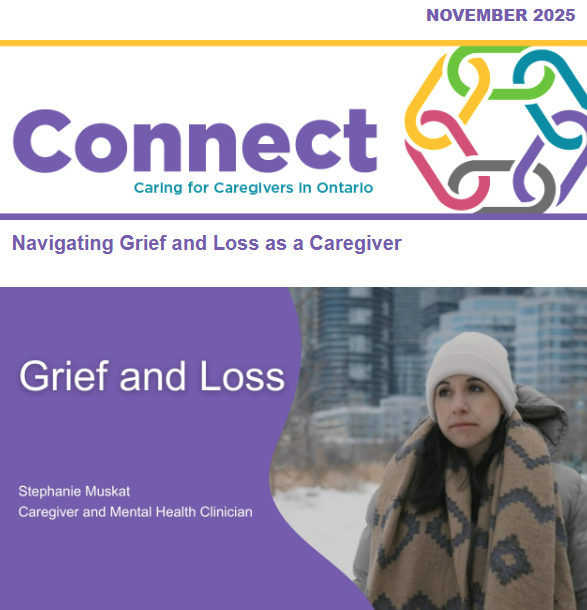
Caregiving is often described as a deeply meaningful and fulfilling journey — but what many don’t realize is that it can come with its own form of grief. As caregivers, we may experience the loss of what once was: the independence of the person we care for, their personality, or even our own sense of normalcy. These emotional shifts can be just as painful as losing a loved one.
Understanding Caregiver Grief
Grief isn’t limited to death. For caregivers, it can stem from small but significant losses experienced throughout the caregiving journey. It may show up as sadness, confusion, anger, guilt, or even numbness. These emotions are not only valid — they’re expected.
As shared by Stephanie Muskat, a caregiver and mental health clinician, “There’s no ‘right’ way to grieve.” Emotional ups and downs are part of the process. What matters most is giving yourself permission to feel and seeking ways to process those feelings.
Types of Grief Caregivers May Experience
Caregivers may grieve:
- The changes in a loved one’s personality due to dementia or illness.
- The loss of shared routines or life plans.
- The gradual disappearance of the person they once knew.
This type of grief can create feelings of guilt or shame — especially when the person is still physically present. Acknowledging your emotions, rather than suppressing them, can help you heal. You’re not alone, and you don’t have to carry this weight in silence.
Finding Support
Caregivers often face isolation, especially if they don’t have a strong support system. But help is available. The Ontario Caregiver Organization offers free resources and a dedicated Ontario Caregiver Helpline to guide you through emotional challenges.
You can also explore the SCALE Program, which provides mental health and emotional support designed specifically for caregivers.
grief and loss resources
💜 You Deserve Support
If you’re struggling with feelings of grief or loss as a caregiver, know that your experience matters. You are seen. You are not alone. Reach out, reflect, and most importantly — be gentle with yourself.